


Saddles 101: A Guide to Finding Your Perfect Fit
A comfortable saddle is crucial for riders of all cycling disciplines because, for most riders, it’s something you’re going to spend a lot of time on. But how do you find the right saddle when you can’t try them on the bike? The best saddle for you is always the one that fits your shape and riding style the best. It doesn’t need to be the most expensive or the most popular for others.
Sit Bone Support
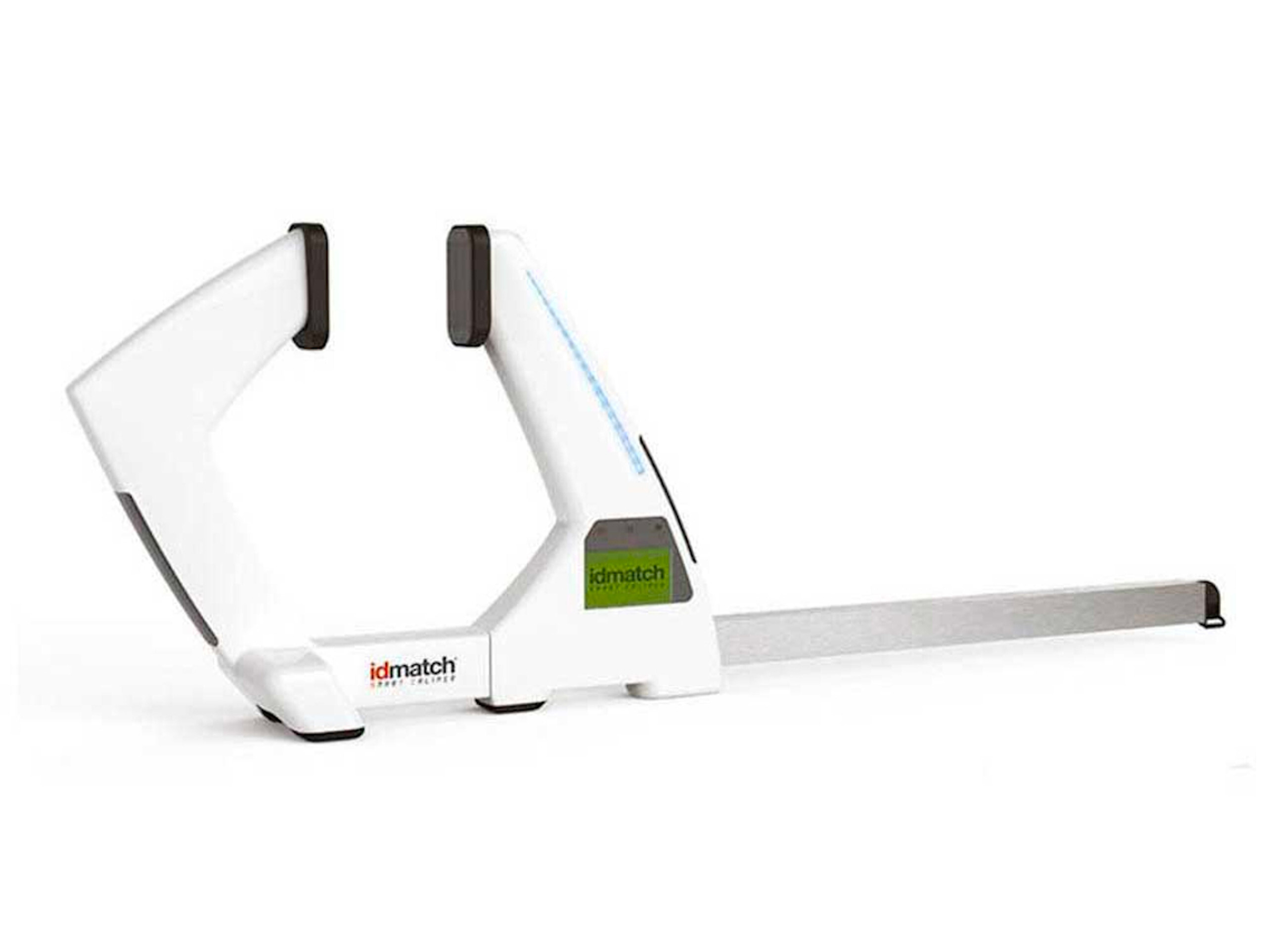
One of the most critical aspects of saddle selection is ensuring proper support for your sit bones. A common recommendation is to choose a saddle that is approximately 2cm wider than your sit bone width. This can be measured at home by sitting on tin foil or corrugated cardboard and then measuring the distance between the deepest indentations. Sit bone width can vary significantly between individuals, and it's not directly related to overall body size. If a saddle is too narrow, your sit bones may not be adequately supported, leading to discomfort. Conversely, a saddle that's too wide might cause chafing or pressure on soft tissues. Selle Italia offers a tool that is designed to measure this.
image: Saddle measuring device to calculate the ideal seat
Saddle Shape
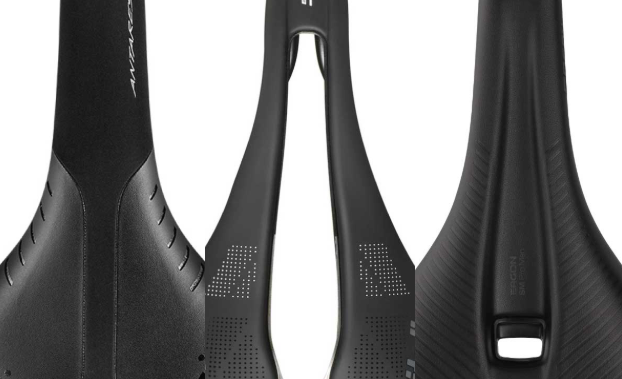
Saddle shape, including curvature and "waviness," also plays a significant role in comfort. Flat saddles allow for easier changes in position but might offer less stability, potentially leading to chafing. Curved saddles tend to keep the body more centred, which can reduce side-to-side shifting but may increase pressure on the pubic area for some riders.
The "wave" refers to the saddle's profile from front to back. A saddle with no wave is flat, suitable for more upright riding positions and flexible riders. A waved saddle has a higher back and a slightly dropped nose, offering more stability and pressure relief, particularly for less flexible riders.
Cutouts and Channels
Many saddles feature a "cutout" or "relief channel" in the middle. These designs are intended to alleviate pressure on the perineal area, which can otherwise lead to numbness, pain, chafing, or even infections. Riders who experience these issues often benefit significantly from saddles with cutouts.
Image: Example of a cycling saddle with a channel in the middle

Image:

Padding
Padding is another consideration, though counterintuitively, more padding does not always equate to more comfort. While plush saddles might feel good initially, excessive padding can cause you to sink in, leading to increased pressure and chafing on soft tissues over longer rides. Casual riders may prefer more padding, while performance-oriented cyclists often opt for firmer saddles with less cushioning.
Saddle Position
Beyond the saddle itself, its position on the bike is crucial. Incorrect saddle height, tilt, or fore-aft position can lead to a host of issues, including knee pain, hand numbness, and increased pressure in sensitive areas. For instance, too much forward tilt can cause excessive pressure on intimate areas and wrists, while a saddle that's too far forward can put too much weight on your hands and cause quadriceps burn. Ultimately, the best saddle for you is the one that allows for comfortable, pain-free riding, enabling you to enjoy your time on the bike to the fullest.
| Sit Bone Width (mm) | Upright Position (e.g., City, Touring) | Moderate Position (e.g., Endurance Road, MTB) | Aggressive Position (e.g., Road Race, Time Trial) |
| Less than 100 | 130 - 140 mm | 120 - 130 mm | 110 - 120 mm |
| 100 - 120 | 140 - 150 mm | 130 - 140 mm | 120 - 130 mm |
| 120 - 140 | 150 - 160 mm | 140 - 150 mm | 130 - 140 mm |
| 140 - 160 | 160 - 170 mm | 150 - 160 mm | 140 - 150 mm |